Home / What Is Diaphragm Wall Construction? Benefits and Applications in Modern Infrastructure
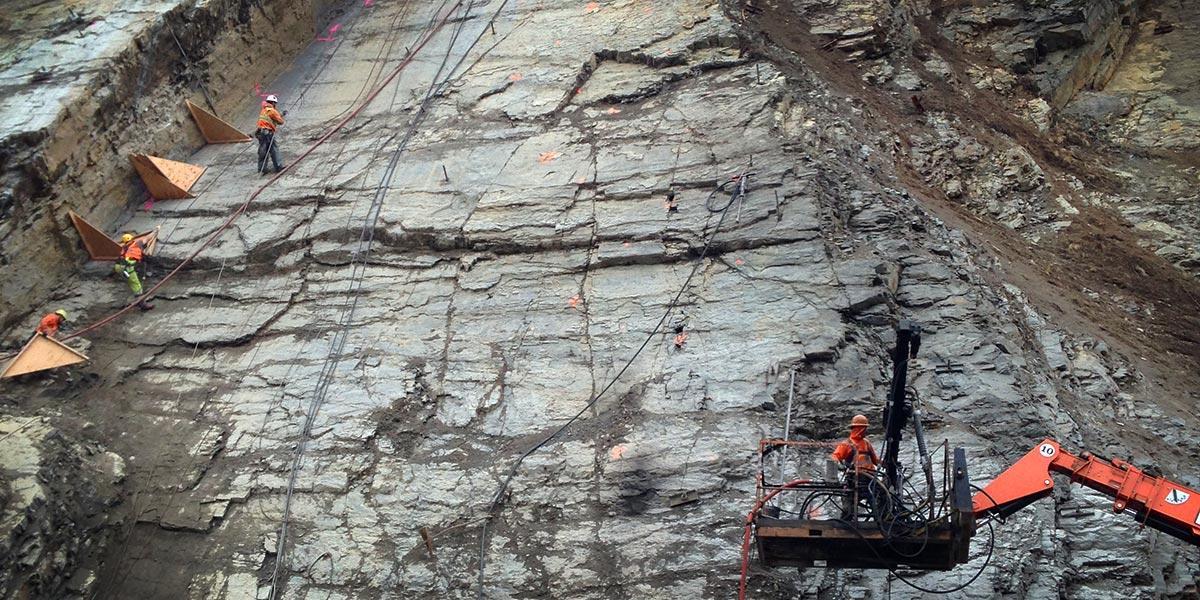
As urban development continues to expand, modern infrastructure projects demand construction techniques that offer strength, stability, and efficiency. One such technique that has become essential in large-scale construction is diaphragm wall construction. From metro stations and underground parking facilities to high-rise buildings and deep basements, diaphragm walls provide the structural support necessary for complex projects.
Diaphragm walls are particularly valuable in areas with limited space, high groundwater levels, or challenging soil conditions. Their ability to function as both retaining structures and permanent foundation elements makes them a preferred choice for engineers and contractors worldwide.
A diaphragm wall is a reinforced concrete wall constructed deep below ground level using specialized excavation equipment. These walls are typically built before excavation begins and serve as retaining walls that prevent soil movement and groundwater intrusion.
The process involves excavating narrow trenches in sections, supporting the trench with bentonite slurry to prevent collapse, placing reinforcement cages, and finally pouring concrete to form the permanent wall.
Because diaphragm walls can reach significant depths and provide exceptional strength, they are widely used in infrastructure projects requiring deep excavations.
Diaphragm walls provide outstanding lateral support, making them suitable for projects involving deep excavations. They help maintain soil stability and minimize ground movement.
These walls act as barriers against groundwater seepage, reducing the risk of water-related issues during excavation and construction.
In densely populated urban environments, construction space is often limited. Diaphragm walls require minimal working space while delivering maximum structural performance.
Compared to traditional piling methods, diaphragm wall construction generates lower levels of noise and vibration, minimizing disruption to nearby structures and communities.
Diaphragm walls often serve both temporary excavation support and permanent structural walls, reducing construction time and overall project costs.
Diaphragm walls are used across various sectors, including:
Their versatility makes them indispensable in modern engineering projects.
Diaphragm wall construction requires advanced equipment, precise planning, and experienced professionals. Factors such as soil conditions, groundwater levels, reinforcement detailing, and excavation sequencing must be carefully managed to ensure safety and performance.
An experienced contractor can identify challenges early and implement effective solutions that maintain project timelines and quality standards.
Diaphragm wall construction has transformed the way deep excavation projects are executed. Its strength, durability, and adaptability make it a vital component of modern infrastructure development. Whether supporting urban transportation systems or large commercial structures, diaphragm walls continue to provide the foundation for safe and efficient construction.
For organizations seeking reliable ground engineering solutions, partnering with experienced professionals ensures successful project execution from planning to completion.
Drilltek Projects Private Limited. ©2026 | All Rights Reserved | Designed by Wedoodles.com